01
One larger system
A single air-conditioning system with an effective rated output above 12 kW is in scope.
Air-conditioning energy compliance
Establish whether your building is in scope, arrange the inspection and receive a properly lodged air-conditioning inspection report.
>12 kW
Combined effective rated output under one person’s control
5 years
Maximum interval between required inspections
Accredited
The assessor must be a current accreditation scheme member
Who needs an inspection?
A compact office with several split units may be in scope, while the responsibility can vary between owner, occupier and building manager.
A single air-conditioning system with an effective rated output above 12 kW is in scope.
Separate units can be combined when they form one system in a building under the same control.
A new person taking control must arrange an inspection within three months if no report was handed over.
If the last required inspection is five years old—or cannot be found—it is time to check the position.
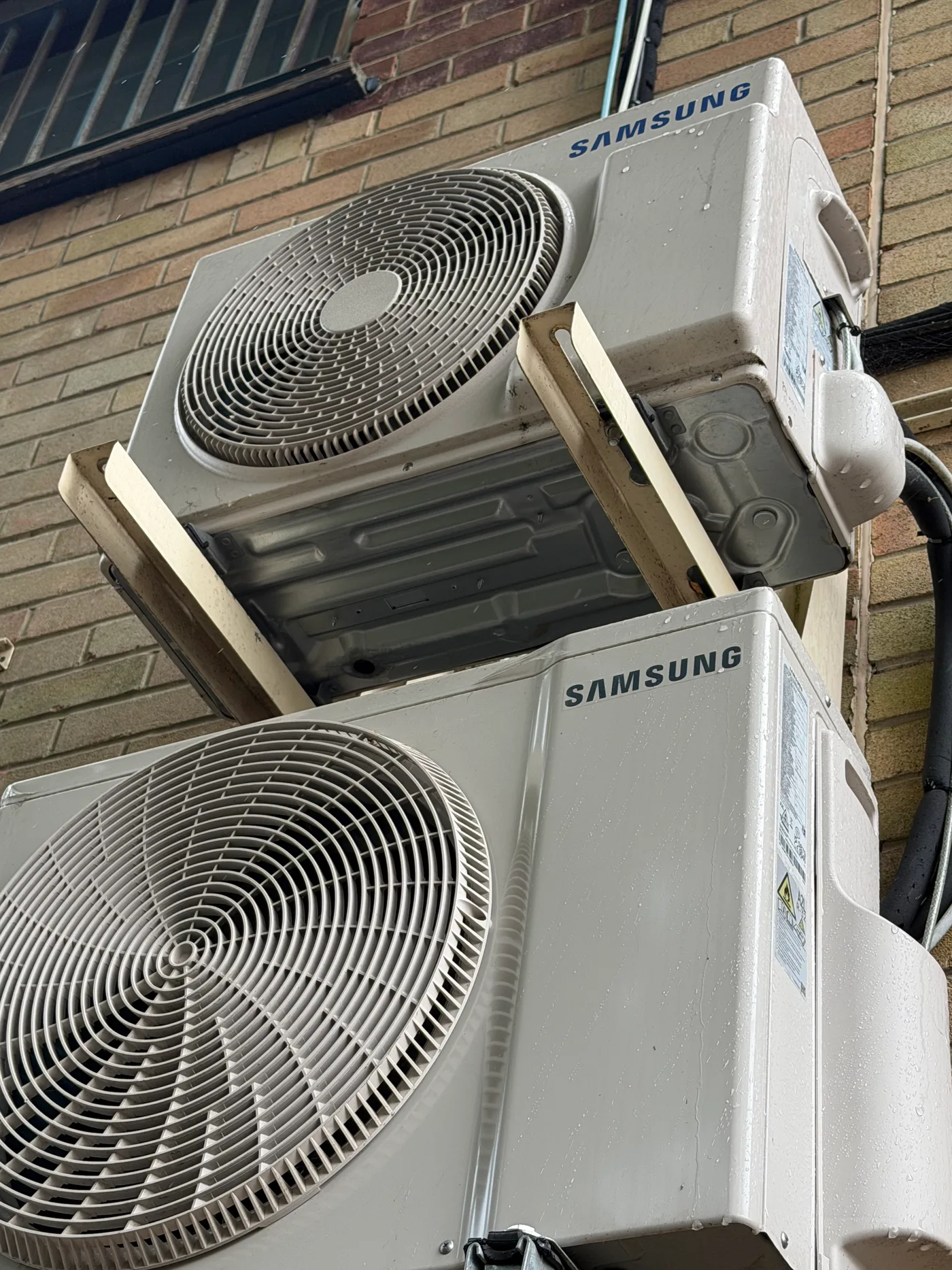
On-site evidence
Equipment, controls, records and how the system is actually operated all inform the assessment.
What the assessor reviews
The inspection considers how the accessible system is configured, controlled and performing against the needs of the building.
What you receive
The aim is not simply to record compliance. The report gives the responsible person a practical view of current efficiency and improvement opportunities.
A report produced by an accredited assessor and entered on the official register.
Findings on efficiency, sizing, controls and the condition of accessible equipment.
Advice on cost-effective operational improvements, upgrades or replacement options.
Before the visit
Do not delay an enquiry because records are incomplete. Start with what you have and we will identify the gaps.
If one exists, it helps establish the inspection history and what has changed.
Model numbers, capacities and unit locations make scoping faster and more accurate.
Recent service information helps the assessor understand condition and operation.
Arrange access to plant, controls, occupied areas and the person familiar with the systems.
From enquiry to report
Share the London address, number of systems and any report or asset list you already have.
We review the information, identify what else is needed and set out the inspection route.
An accredited assessor examines the accessible equipment, controls, records and operating context.
You receive the valid report, reference number and clear recommendations for the building.
Recent project
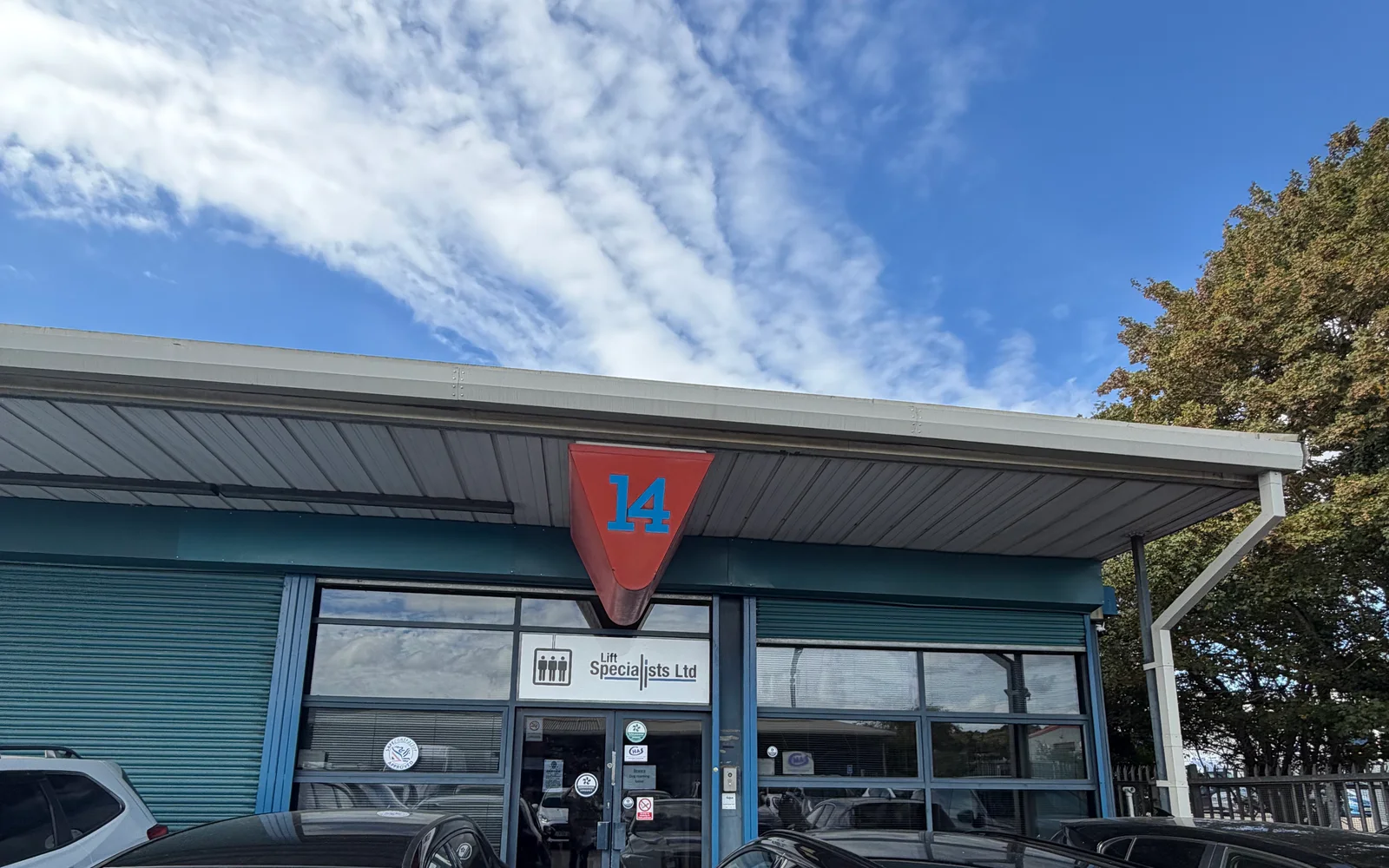
See how accessible Samsung split-system equipment, controls and site information were documented during a commercial workplace inspection.
Read the case studyTM44 questions
A TM44 air-conditioning inspection is required when the effective rated output of the system is more than 12 kW. Several smaller units can count as one system when they are within the same building and under the control of one person.
Required inspections must take place at intervals not exceeding five years. The date and reference number on the latest report help establish when the next inspection is due.
The responsibility sits with the person who controls the technical operation of the air-conditioning system. Depending on the building and agreements in place, this may be the owner, occupier, building manager or another responsible organisation.
They can. Individual units below 12 kW may still fall within the requirement when their combined effective rated output is more than 12 kW and they are treated as one system under the regulations.
No. A TM44 inspection considers energy efficiency, sizing, controls and improvement opportunities. It does not replace maintenance, repairs, refrigerant leak checks or other safety and statutory responsibilities.
You receive an air-conditioning inspection report produced by an accredited assessor and lodged on the official register. It includes the system assessment, recommendations and a report reference number.
No. The report records the assessment and provides recommendations to improve energy performance. The recommendations are advisory, but obtaining the inspection and keeping the current report are statutory responsibilities when the system is in scope.
The quotation depends on the number and type of systems, site complexity, access and the quality of the records available. We can quote for a single London building or a multi-site portfolio after reviewing the scope.
Regulatory information is summarised from current guidance for England and Wales. Read the official GOV.UK guidance.
Start with the building
Send the address, unit count and latest report if available. Single-site and portfolio quotations are based on the actual systems, records and access requirements.